

Analyzing a match scenario
The question seems to be about a specific Coppa Italia match between AC Milan and Lazio, potentially during the 2024-25 season. I don't have current data, so it's best to clarify that. When discussing opinions, I can touch on factors like team rotation strategies and tactical matchups without over-formatting.
In competitive environments, teams usually prioritize player health, fixture congestion, and tactical decisions. I should avoid including uncertain details but can mention how factors like injuries, referee decisions, or style of play might influence the match outcome.Outlining analysis factors
Without current data, I can suggest some ways to analyze the match like looking at lineup strength, expected goals (xG), and pressing intensity. It's important to compare lineups to prior matches, check how many starters rested, and substitutions choices.
I could clarify that while teams might rotate players or show less intensity in certain games, that doesn't mean they intentionally lose. To wrap up, I'll mention that it's probably a mix of rotation, form issues, and opponent performance, and I can ask for more details for deeper analysis.Creating an assessment framework
I think it would be helpful to establish a mini-framework to evaluate the situation. We can include elements like lineup choices, intensity, substitutions, scheduling motivation, and external factors.
I can summarize the points concisely:
- It’s unlikely a team would intentionally lose due to high professional risks; often, strategic rotation can make a loss appear as if they are "giving up."
- Coaching decisions may hinge on nearby matches and opponent strength.
- Data perspectives like expected goals (xG) and pressing metrics can provide insights.
- Overall, it seems more about prioritizing than actual intent to lose.
If the user shares specific game dates or lineups, I can help further!
别急着下“故意输球”的结论。职业层面这么做风险极高、成本巨大,现实里更常见的是“战略性降配”:教练基于赛程和伤病做轮换,接受胜率下降,外界就容易感觉像“放弃”。
可以用这几个点自检一下那场球更像哪种情况:
- 阵容选择:首发里常规主力有多少?是否有关键位(门将、双中卫、后腰、9号)同时轮换?
- 比赛强度:开局压迫是否到位?丢球后的反扑是否连续?终场前是否还有上强度的换人与冒险打法?
- 换人取向:落后时是否用进攻换人而非“保体能”的保守调整?
- 赛程动机:前后72小时有没有更关键的联赛/欧战?队内伤病、停赛是否迫使保守分配负荷?
- 数据端:射门数、xG、进攻三区触球、反抢(PPDA)等。如果xG不低且创造机会不少,多半是把握差;如果全面偏低且强度不足,更像轮换导致的竞争力下降。
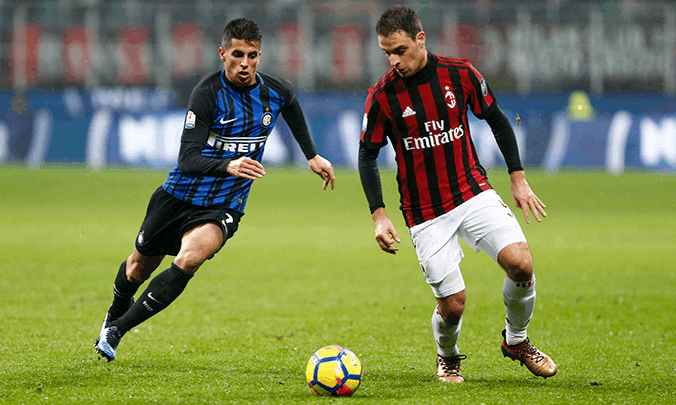
结论:即便米兰把意杯优先级放低,也通常是通过轮换与风险管理达成,而不是“故意输”。要下“放弃/消极比赛”的定性,需要非常具体的证据(阵容极端、明显消极行为、教练赛前公开表态等)。
如果你给我那场的日期/首发和关键节点(红黄牌、进球时间、换人),我可以按上述框架帮你做一版更具体的复盘。